Frozen food is a convenient and reliable option for modern households, but its quality and safety depend largely on how it is stored and handled at home. Following correct practices helps preserve taste, nutrition, and food safety.
Maintain the Right Freezer Temperature Your freezer should always be set at –18°C or below. This temperature prevents the growth of harmful bacteria and ensures frozen chicken, seafood, and vegetables retain their texture and nutritional value.
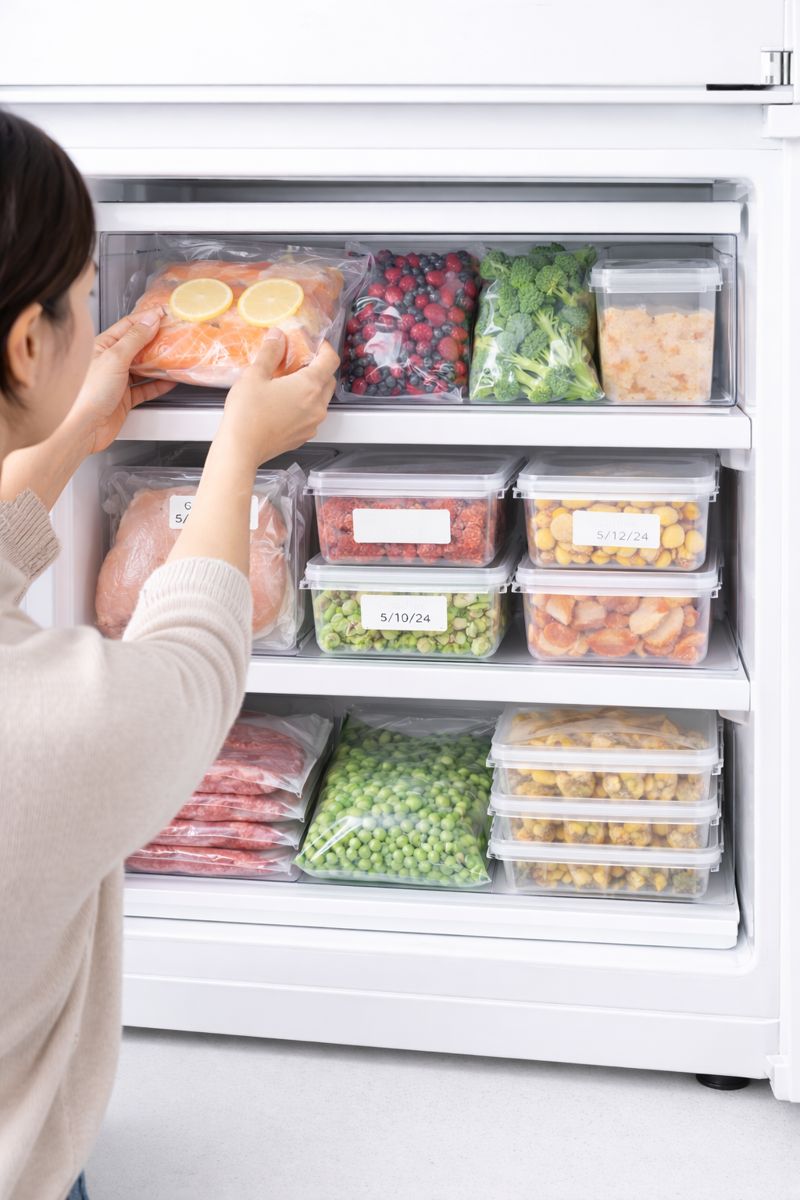
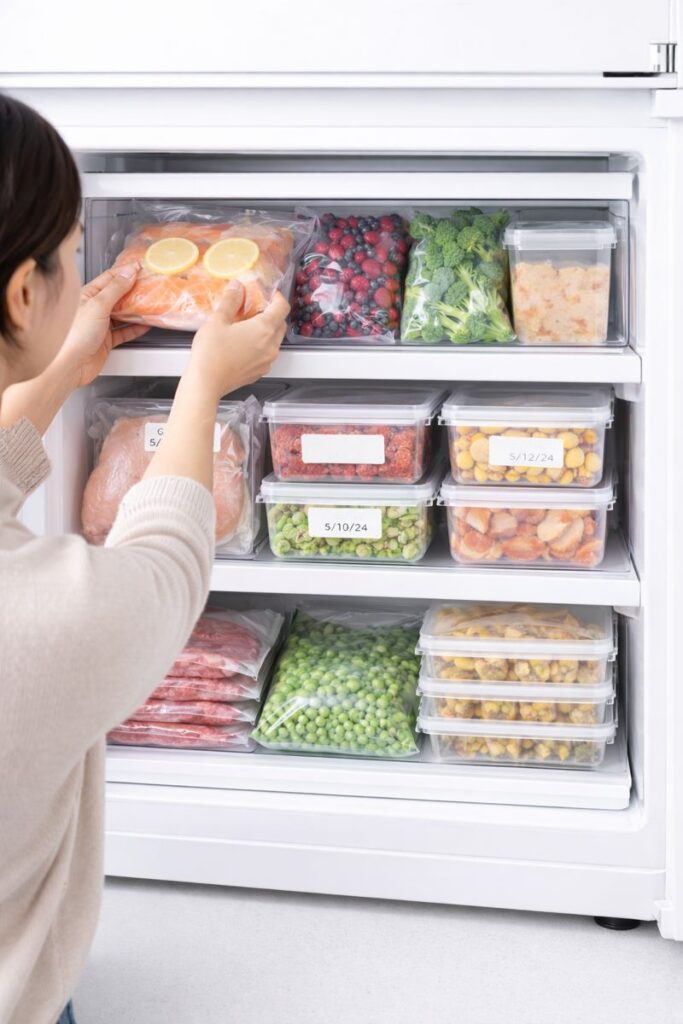
Organise and Label Frozen Food Avoid overloading your freezer. Proper air circulation helps maintain consistent cooling. Store food in sealed, freezer-safe packaging and label items with purchase or freezing dates.
Thaw Frozen Food Safely Frozen food should be thawed in the refrigerator, under cold running water, or in a microwave if cooked immediately. Never thaw food at room temperature.
Avoid Refreezing Thawed Food Once food is completely thawed, it should not be refrozen unless cooked.
Conclusion Proper storage and handling ensure frozen food remains safe, nutritious, and enjoyable.
References:
– Food Safety and Standards Authority of India (FSSAI)





Add comment